Livelihood Empowerment Initiative: Building Sustainable Futures
The Livelihood Empowerment Initiative by Giving to the Needy Initiative (GINMI) is designed to support vulnerable individuals, low-income households, women, young people, and underserved communities in building sustainable sources of income.
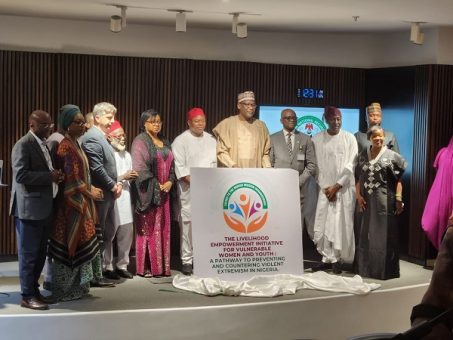
Economic vulnerability can prevent individuals and families from meeting their basic needs, accessing opportunities, and building a stable future. Limited access to vocational training, business resources, employment opportunities, and financial education can make it difficult for people to break the cycle of poverty.
The Livelihood Empowerment Initiative is designed to address these challenges by promoting practical, locally relevant solutions that help people develop useful skills, explore income-generating opportunities, and strengthen their capacity to support themselves and their families.
Through community engagement and targeted empowerment activities, GINMI aims to support people in identifying opportunities that match their abilities, interests, and local economic conditions.
Our Objectives
- Promote sustainable livelihoods: Help vulnerable individuals and households explore reliable and sustainable income-generating opportunities.
- Develop practical skills: Encourage vocational training, entrepreneurship, and skills development relevant to local needs.
- Support women and young people: Expand opportunities for economic participation, self-employment, and personal development.
- Strengthen small-scale enterprises: Facilitate appropriate business guidance and access to livelihood resources where funding and partnerships permit.
- Improve financial literacy: Promote budgeting, savings, responsible financial management, and basic business planning.
- Build resilient communities: Encourage self-reliance, collaboration, and sustainable economic participation.
Key Areas of Intervention
1. Vocational and Skills Development
Support opportunities for practical training in trades, digital skills, crafts, agriculture, and other locally relevant areas, depending on programme resources and community needs.
2. Entrepreneurship and Small Business Development
Provide business education, basic business planning guidance, mentorship, and appropriate support to individuals seeking to establish or strengthen small businesses.
3. Women and Youth Economic Empowerment
Promote inclusive opportunities that enable women and young people to develop skills, pursue productive activities, and contribute to household and community wellbeing.
4. Agricultural and Community-Based Livelihoods
Where appropriate, encourage sustainable agricultural activities, small-scale food production, processing, and other community-based livelihood opportunities.
5. Financial Literacy and Responsible Money Management
Promote practical knowledge of saving, budgeting, managing business income, and planning for future needs.
6. Livelihood Resources and Enterprise Support
Subject to available funding, partnerships, and programme assessments, provide or facilitate access to essential training materials, tools, start-up resources, or other appropriate livelihood support.
Target Beneficiaries
The initiative seeks to reach eligible individuals and households experiencing economic vulnerability, including:
- Low-income families and underserved households.
- Women seeking sustainable income opportunities.
- Young people requiring vocational skills or pathways to employment.
- Unemployed and underemployed individuals.
- Small-scale entrepreneurs and aspiring business owners.
- Rural and underserved communities with limited livelihood opportunities.
- Other vulnerable groups identified through community needs assessments.
Geographic Coverage
The initiative is intended to serve communities across 12 states in Nigeria and the Federal Capital Territory, Abuja. Activities and beneficiary selection will be guided by identified community needs, available resources, local partnerships, and programme implementation capacity.
Expected Outcomes
Through effective implementation, the initiative aims to contribute to:
- Improved access to vocational training and practical skills.
- Increased capacity for self-employment and small business development.
- Better financial management and livelihood planning among participants.
- Expanded economic participation for women and young people.
- Stronger household resilience and reduced economic vulnerability.
- More sustainable, community-driven livelihood opportunities.
Specific targets and achievements will be established and reported as implementation progresses.
How You Can Support
Your support can help expand access to skills training, livelihood resources, entrepreneurship guidance, and economic opportunities for vulnerable individuals and households.
Donations and partnerships can contribute to training materials, practical learning opportunities, programme delivery, mentoring, and other approved project activities.
Whether you are an individual donor, corporate organisation, community partner, or development supporter, your contribution can help create pathways towards greater economic independence.
Together, we can empower people with the skills, opportunities, and resources they need to build sustainable livelihoods and a more secure future.
Small acts. Lasting change.
Your support helps communities build safer, healthier and more hopeful futures.